The Science Behind Soft Washing Delicate House Exteriors
@angelolcvk128
November 16, 2026 · 7 min read
Gold Coast homes face a demanding environment. Salt-laden sea air, high humidity, intense UV exposure, and subtropical rainfall create ideal conditions for mould, algae, lichen, and mildew to take hold on exterior surfaces. Many homeowners reach for a high-pressure cleaner, but for delicate surfaces this approach can do more harm than good. Soft washing is a low-pressure cleaning method that relies on chemistry rather than force. This article explains how it works, why it suits Gold Coast conditions, and what to consider before booking a service.
What Is Soft Washing?
Soft washing uses low water pressure, typically similar to a garden hose at around 40 to 100 PSI, combined with specially formulated cleaning solutions. Instead of blasting dirt away, the solution breaks down and kills the organic growth at its source. The surface is then rinsed gently, leaving it clean without physical damage.
By comparison, pressure washing commonly operates between 1,500 and 4,000 PSI or higher. That force is effective on hard, dense surfaces like concrete driveways, but it can strip paint, force water behind cladding, damage mortar, and etch softer materials.
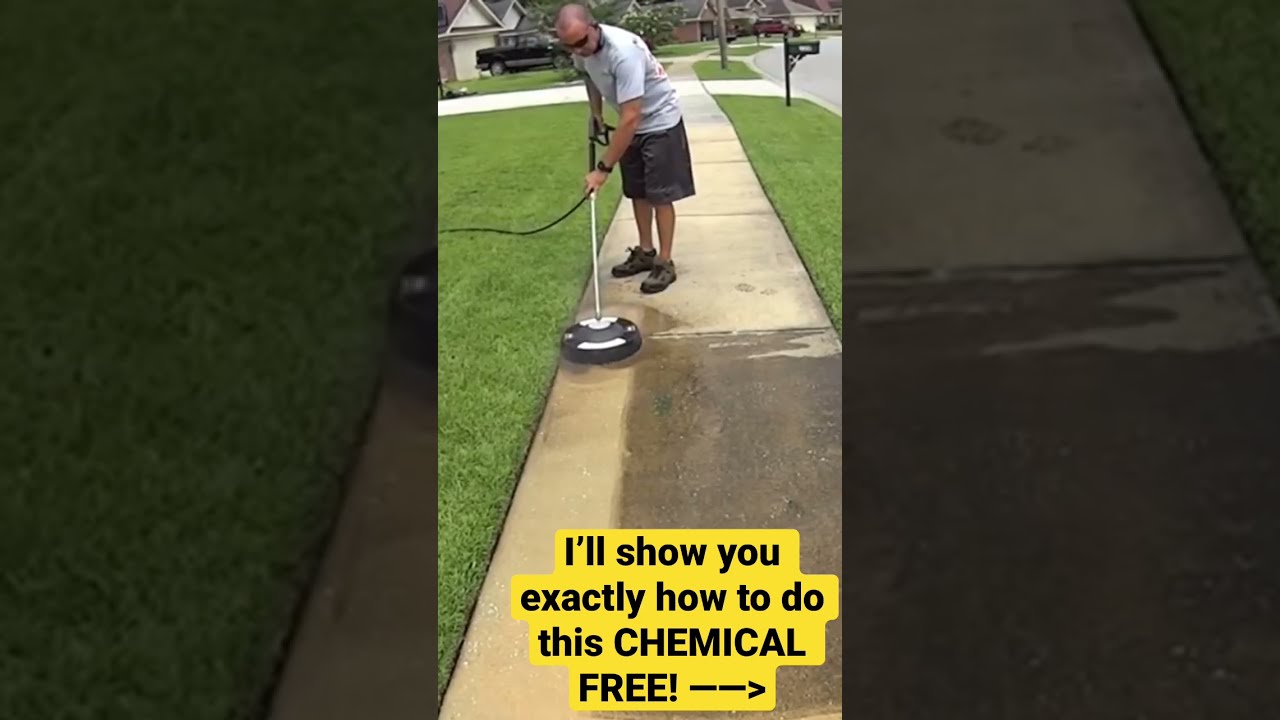
The Chemistry That Makes It Work
The effectiveness of soft washing comes from how its cleaning agents interact with living organisms and surface contaminants. A professional soft wash mixture generally includes several components, each with a specific purpose.
Sodium Hypochlorite
Sodium hypochlorite is the active biocide in most soft wash solutions. It oxidises the cell walls of algae, mould spores, and lichen, destroying them at a cellular level. Because it kills the organism rather than simply removing visible staining, treated surfaces stay cleaner for longer than those that have only been rinsed with pressure.
Surfactants
Surfactants are detergent-like compounds that reduce the surface tension of water. This allows the solution to cling to vertical surfaces such as walls and cladding, extending contact time and helping the cleaner penetrate the root structures of organic growth. They also help lift dirt, pollution film, and oils so they rinse away easily.

Water Quality and Dilution
Professionals dilute solutions according to the surface type and the severity of growth. A lightly stained rendered wall needs a milder mix than heavily mould-affected roof tiles. Correct dilution is a key part of the science, as too strong a mix can harm plants, discolour materials, or leave residue, while too weak a mix will not fully eradicate the growth.
Why Pressure Damages Delicate Surfaces
Many common Gold Coast building materials are more vulnerable than they look. High-pressure water can cause problems that are sometimes not visible until weeks or months later.
- Rendered and painted walls: Pressure can erode the surface layer, lift paint, and open up fine pores that absorb moisture and encourage faster regrowth.
- Timber cladding and decking: Forceful water raises the grain, causes splintering, and leaves uneven streaking known as lane marking.
- Weatherboards and joins: Water driven behind boards or into seams can lead to trapped moisture, rot, and internal mould.
- Roof tiles: Pressure can remove the protective glaze or coating, shorten tile lifespan, and dislodge or crack tiles.
- Windows and seals: High pressure can breach seals, allowing water to enter wall cavities.
- Aluminium and Colorbond: Powerful jets may dent thin sheeting or damage finishes.
Why Soft Washing Suits Gold Coast Conditions
The local climate makes exterior cleaning a recurring need. Warm temperatures and high humidity support rapid growth of algae and mould, particularly on south-facing walls, shaded areas, and homes near waterways or canals. Salt in the air also accumulates on surfaces, attracting grime and contributing to material wear https://juliusvsba343.birchreport.com/posts/the-hidden-slip-hazards-lurking-on-poolside-paving-areas over time.
Soft washing addresses these conditions in several ways. It removes salt deposits and organic growth without abrading surfaces already weathered by sun and coastal air. It also treats the root of the problem, so the cleaned surface resists regrowth for a longer period than pressure cleaning alone. Many homes see results lasting a year or more, depending on shade, tree cover, and proximity to water.
Surfaces That Benefit Most From Soft Washing
Soft washing is suitable for a wide range of exterior materials commonly found across the Gold Coast, from older homes in Southport to newer builds in Robina and Coomera.
- Rendered and textured acrylic walls
- Painted brick and weatherboard
- Concrete and terracotta roof tiles
- Colorbond roofing and fascias
- Timber fencing and pergolas
- Outdoor furniture and screens
- Eaves, gutters, and downpipes
The Soft Washing Process Step by Step
A thorough soft wash follows a consistent sequence designed to protect the property and deliver reliable results.
- Inspection: The technician assesses surface types, the extent of growth, and any areas of damage, loose paint, or failing seals.
- Preparation: Plants are pre-wetted, doors and windows are checked and closed, and sensitive items such as outdoor electrics are protected.
- Application: The cleaning solution is applied at low pressure, usually from the top down, to ensure even coverage.
- Dwell time: The solution is left to work for a set period, allowing it to kill organic growth and loosen dirt. It is not allowed to dry on the surface.
- Rinse: The area is rinsed thoroughly with low-pressure fresh water, and surrounding vegetation is rinsed again.
- Final check: The finished result is reviewed, with any remaining spots retreated as needed.
Environmental and Safety Considerations in 2026
Responsible operators manage runoff carefully, especially in a region with extensive canal systems, creeks, and stormwater drains that lead to sensitive waterways and the Broadwater. In Queensland, it is an offence to allow harmful contaminants to enter stormwater systems, so reputable providers use controlled dilution, protect drains, and manage wash water where required.
Industry attention in 2026 continues to focus on more biodegradable surfactants, lower-chlorine formulations, and improved application equipment that reduces chemical use. Homeowners are increasingly asking about environmental practices, and it is reasonable to ask a provider how they protect gardens, pets, and local waterways.
Choosing a Soft Washing Provider on the Gold Coast
Because the method depends on correct chemistry and technique, the experience of the operator matters. When comparing providers, consider the following:

- Insurance: Confirm they hold current public liability cover.
- Method transparency: A good provider explains which surfaces get soft washing and which, if any, suit higher pressure.
- Chemical knowledge: They should be able to explain their solutions and how they protect plants and water runoff.
- Local experience: Familiarity with coastal conditions and local building materials leads to better results.
- Written quotes: Clear pricing and a defined scope of work help avoid surprises.
How Often Should You Soft Wash?
The right frequency depends on location and exposure. Homes close to the water, surrounded by dense vegetation, or with shaded southern walls may need cleaning every 12 months. Properties in more open, sunlit positions can often go 18 to 24 months between treatments. Regular maintenance is generally easier and more cost-effective than dealing with heavy, long-established growth, which can also begin to degrade paint and roofing materials over time.
Practical Tips for Homeowners
Between professional cleans, a few simple habits help keep exteriors in good condition. Trim back overhanging branches to increase sunlight and airflow, keep gutters clear so water does not overflow onto walls, and check that sprinklers are not repeatedly wetting the same section of wall. Addressing small areas of growth early also reduces how aggressive the next clean needs to be.
Conclusion
Soft washing is a science-driven approach to exterior cleaning that protects delicate surfaces while delivering longer-lasting results. By using targeted chemistry and low pressure, it removes the cause of mould, algae, and lichen rather than just the visible symptoms. For Gold Coast homeowners dealing with humidity, salt air, and strong sun, it offers a safer, more effective way to maintain the appearance and integrity of a home. Choosing an informed, insured local provider ensures the process is carried out correctly, protecting both your property and the surrounding environment.
Gold Coast Pressure Cleaning Experts
Factory 2/60 Newheath Dr, Arundel QLD 4214
(07) 5240 9985